Dataset construction
Sample boundaries, class taxonomy and splits, delivered ready to train.
- Filtering and deduplication
- Train / validation / test splits
- Data cards and versions
Data Services
Art imagery, audio, engineering drawings and sensor signals — non-standard data plus expert judgement, turned into data you can train and evaluate on.
Scope
Art imagery, audio, industrial drawings and sensor time series — datasets, non-standard annotation and evaluation benchmarks.
Partners
 ByteDance
From raw material to dataset, every step leaves a record.
Sample boundaries, class taxonomy and splits, delivered ready to train.
Public collections, partnerships and own capture, with source and rights logged per item.
One format and resolution, with work, artist, period and medium completed.
“Is it right?” broken into reviewable questions and scoring rules.
CAD files, PCB layouts, simulation contours, sensor signals — hand engineering data to frontier models as-is.
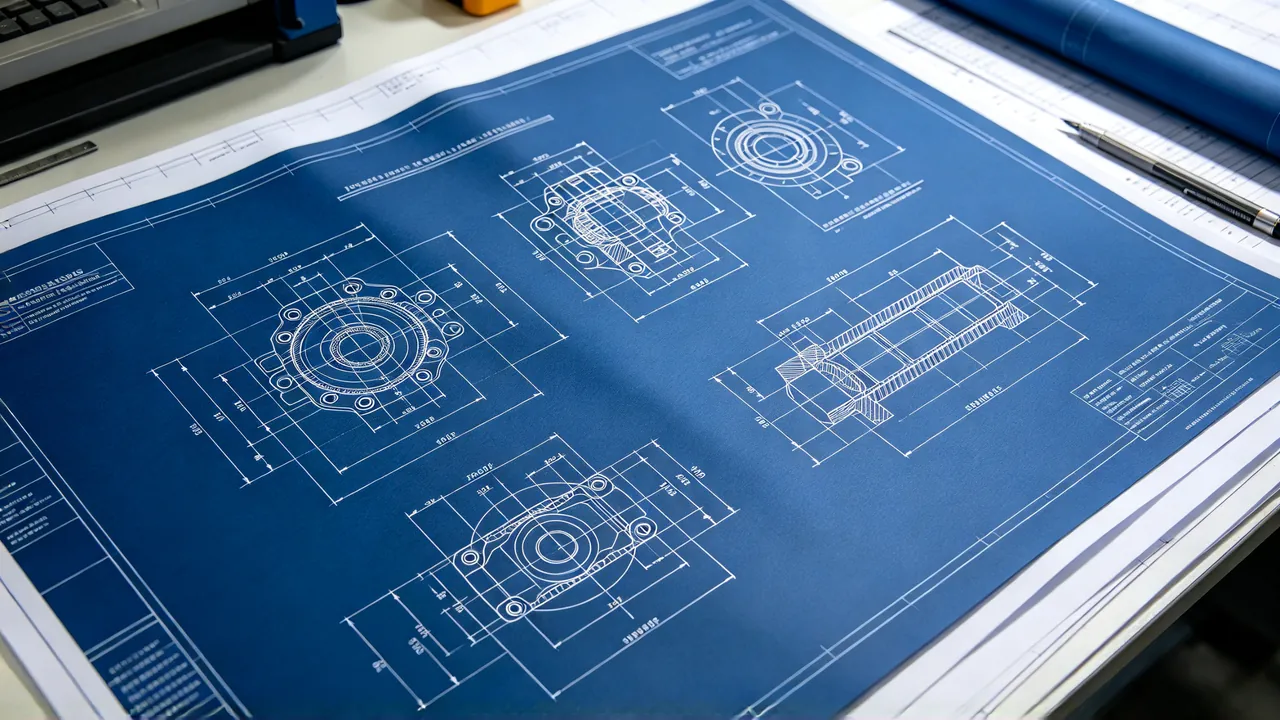
Read views, dimensions and tolerances; extract key sizes, generate BOMs, and diff revisions.

Parse netlists and footprints, cross-check part numbers, and surface rule-based review findings.
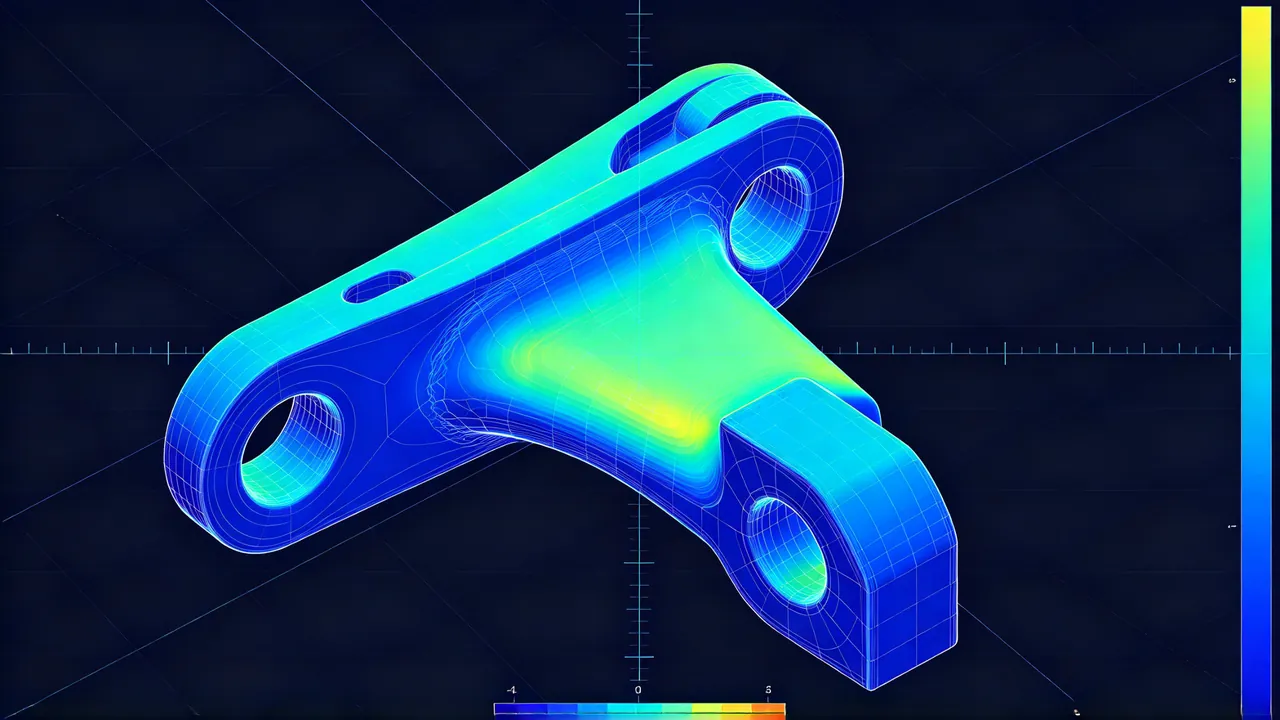
Interpret stress and flow contours, map parameter effects, and draft structured simulation reports.

Analyze sensor waveforms and machine logs, locate anomalies, and outline likely root causes.
The hard part is not tagging. It is exclusivity, edge cases and keeping batches on one definition.
Subject, composition, colour, light, brushwork and material, item by item.
Period, school, medium, subject and attribution, by annotators with an art-history background.
Image regions, captions and structured fields anchored to each other.
Hierarchies, value sets and exclusivity rules, with a handbook.
Example label schema
Work attributes
Visual elements
Semantics & affect
Rights & compliance
Schemas are trimmed to the task; each group ships with definitions, edge cases and exclusivity rules.
Quality
Definitions, edge cases and scoring rules written before annotation starts.
A second annotator reviews key batches; disagreements go to arbitration.
Every delivery carries a handbook version, manifest and change log.
Five stages, each with a confirmation point.
Task, target model, sample range, acceptance criteria
Sample by distribution; log source and rights
Annotate by the handbook; flag disputes
Independent second pass; disputes arbitrated
JSONL / COCO / custom schema
500 identity-masked recordings, four tasks: tempo, key, time signature, structure. Models see audio and the instruction only; the data composition, masking protocol and scoring scripts are public.
Authors · Kun Liu · Lyra Tao
MUB-00001 – MUB-00500
5–22 per track
268 major / 232 minor
Median 101
The paper describes this as an evaluation resource still being validated: recording-level clearance is incomplete and no model comparison has run. Code is MIT; audio is not distributed.
Read the full textImage–text pairs, region captions, VQA
One prompt set and rule set to compare models
Structured cataloguing and metadata
Style, subject and sensitive-content labels
Tell us the scale, target model and format; we will come back with a plan.
JSONL / COCO / custom schema